

How to Conduct a Medical Test in Japan:
Kenkō Shindan (健康診断) and Teiki Kenshin (定期検診)
Living, working, or studying in Japan often requires a medical check-up, sometimes referred to as a “medical test.” You may hear the terms Kenkō Shindan (健康診断) or Teiki Kenshin (定期検診). These are structured health examinations designed to monitor your health and detect conditions early.
At MedicTranslate, we understand that navigating Japan’s healthcare system in a new language can be stressful, particularly if you need to complete a health check. Here’s a practical guide to help you understand how medical check-ups work in Japan.
1. What Are Kenkō Shindan and Teiki Kenshin?
- Kenkō Shindan (健康診断): A general health check. Often required for school admission, employment, visa applications, or as part of routine care.
- Teiki Kenshin (定期検診): A periodic or annual medical check-up. Generally required once a year for company employees under Japanese labour law.
Other related options:
- Ningen Dock (人間ドック): A comprehensive, full-body health check (typically 1 to 2 days, very detailed).
- Specialized Kenshin (検診): Focused screenings (for example, cancer, diabetes, or heart disease), often subsidized by local governments.
2. Where to Get a Health Check
- Hospitals and clinics: Offer standard and advanced health check packages.
- Employer-arranged facilities: If you are employed, your company usually books and pays for your Teiki Kenshin.
- Municipal programs: City governments issue coupons for screenings such as cancer checks.
3. What to Expect: Step-by-Step Process
- Reservation: Book in advance by phone or online. Employers may handle this for staff.
- Medical questionnaire: Fill in details about your lifestyle, symptoms, and medical history (usually in Japanese).
- Check-up procedures: Common tests include:
- Height, weight, BMI
- Vision and hearing
- Blood pressure
- Chest X-ray (for TB and lung conditions)
- Urine test (sugar, protein, blood)
- Blood test (cholesterol, liver, kidney, blood sugar, anemia, and so on)
- ECG (heart rhythm)
- Doctor consultation
- Results:
- Same-day summary (basic results)
- Full report mailed within 1 to 3 weeks (often Japanese-only)
- Follow-up advice if abnormalities are detected
4. Cost of a Health Check
- Employer-sponsored Teiki Kenshin: Usually free for employees.
- Municipal check-ups: Subsidised, typically only a few thousand yen.
- Private Ningen Dock: Around ¥30,000 to ¥100,000 or more, depending on the package.
These figures are indicative and vary by facility and region. Confirm current pricing with the provider.
5. Things to Keep in Mind
- Language barrier: Many clinics provide results only in Japanese. Some international hospitals in Tokyo, Osaka, and Kobe offer English support.
- Fasting: Often required for blood tests. Check the instructions before your appointment.
- Insurance: National Health Insurance generally does not cover routine check-ups, though employers and municipalities often provide subsidies.
- Visa requirements: For certain visas, specific medical certificates (such as tuberculosis screening) may be required. Confirm the current requirements with the relevant authority.
6. How MedicTranslate Can Help
At MedicTranslate, we support foreign residents and visitors in Japan by:
- Translating your medical results into English or other languages
- Helping you book appointments at foreigner-friendly clinics
- Preparing documentation for schools, employers, or visa applications
- Coordinating medical interpreters to accompany you during your check-up
We stay on the language and coordination side and do not provide medical treatment, diagnosis, or advice. See our translation and interpreting services or contact us to arrange support.
Key takeaway: Regular medical check-ups in Japan are efficient and well-structured. With MedicTranslate’s translation and coordination support, language barriers and paperwork are easier to manage.
Disclaimer
This article is for general information only and is not medical or legal advice. Rules in Japan can change, so please confirm current requirements with the Japanese Ministry of Health, Labour and Welfare (MHLW) or other official sources before acting. MedicTranslate provides medical translation and healthcare coordination services and does not provide medical treatment, diagnosis, or pharmaceutical supply. For help coordinating care or translating documents in Japan, contact MedicTranslate.
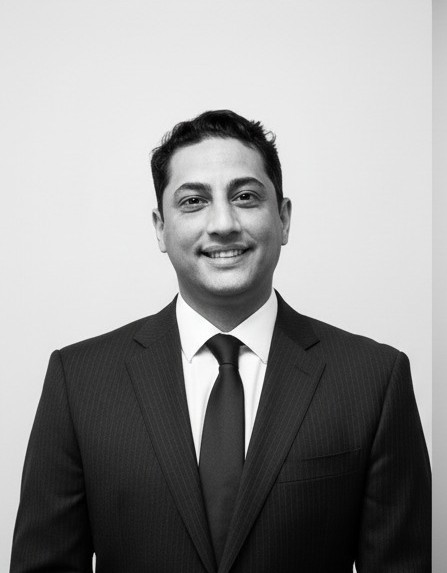
Article by
Ali Motahari
Ali is the founder and Representative Director of MedicTranslate Co., Ltd., a Kobe-based medical translation and healthcare coordination company that helps English-speaking foreign residents and visitors navigate the Japanese healthcare system, with a focus on the Kansai region. He has more than 20 years of experience in healthcare and healthcare IT, and is a doctoral researcher studying how healthcare organisations adopt clinical information systems. He writes about navigating medical care, translation, and the administrative and customs requirements that foreign patients face in Japan. MedicTranslate coordinates and translates; it does not provide medical treatment, diagnosis, or pharmaceutical supply.