
Acetaminophen in Japan: Tylenol, Panadol, Calonal and OTC Options
Acetaminophen and paracetamol are the same active ingredient, but Japanese brand names, strengths, formulations and directions can differ from products sold overseas.
Key points
- Acetaminophen and paracetamol are two names for the same active ingredient.
- Japanese pharmacies sell single-ingredient OTC acetaminophen products, including Tylenol A and CALONAL-A.
- Prescription Calonal is also used in Japan, but prescription and OTC products are not automatically interchangeable.
- Several pain, fever and cold medicines may contain acetaminophen, even when their brand names are different.
- Follow the exact Japanese package directions or instructions from a doctor or pharmacist.
Important safety information
This guide helps you identify acetaminophen products in Japan. It does not provide an individual dose. Different products can have different strengths, age limits, ingredients and directions.
Do not take two products containing acetaminophen at the same time unless a qualified healthcare professional has specifically instructed you to do so. Accidental duplication can cause serious harm, including liver injury.
Seek urgent professional advice if you may have taken more than directed, even when you initially feel well. Call 119 for a serious or life-threatening emergency in Japan.
Are acetaminophen and paracetamol the same?
Yes. Acetaminophen is the name commonly used in the United States and Japan, while paracetamol is commonly used in Australia, the United Kingdom and many other countries.
The active ingredient is the same; the brand, strength and formulation may differ.
Acetaminophen is used to reduce fever and relieve certain types of mild to moderate pain. It does not treat every cold symptom. Combination cold products may include separate ingredients for cough, congestion, allergy symptoms or drowsiness.
Is Tylenol available in Japan?
Yes. Tylenol A is an authorised Class 2 over-the-counter pain reliever and fever reducer in Japan. The current Japanese product contains 300 mg of acetaminophen per tablet and is labelled for people aged 15 years and over.
Availability varies between pharmacies and stores. If the brand is not stocked, ask for a single-ingredient acetaminophen product.
What is Calonal in Japan?
Calonal is a well-known Japanese acetaminophen brand. The name can refer to prescription products, while CALONAL-A is an OTC product.
Prescription Calonal
Prescription Calonal tablets are listed in 200 mg, 300 mg and 500 mg strengths. A doctor selects the product and directions according to the patient and clinical situation.
CALONAL-A
CALONAL-A is a Class 2 OTC acetaminophen product for people aged 15 years and over. The current product contains 300 mg per tablet.
A previous prescription for Calonal does not mean you should substitute or change products without checking the strength and directions. Bring your prescription, medicine notebook or medication list when requesting continuity of treatment.
Can you buy Panadol in Japan?
Panadol is a familiar paracetamol brand in Australia and several other countries, but it may not be the brand displayed in a Japanese pharmacy. This does not mean the active ingredient is unavailable.
Ask for acetaminophen or show アセトアミノフェン. A pharmacist can then check products according to your age, symptoms, medical history and other medicines.
| Name | What it means | How to ask in Japan |
|---|---|---|
| Panadol | An overseas brand of paracetamol | Ask for acetaminophen rather than expecting the same brand. |
| Tylenol | An acetaminophen brand; Tylenol A is sold in Japan | Ask whether Tylenol A or another single-ingredient product is available. |
| Calonal | A Japanese acetaminophen brand used in prescription and OTC contexts | Clarify whether you mean a previous prescription or an OTC option. |
| Acetaminophen / paracetamol | The active ingredient | Show アセトアミノフェン. |
Check combination cold and pain medicines carefully
Japanese cold medicines often contain several active ingredients. Acetaminophen may be combined with ingredients for cough, nasal symptoms, allergy symptoms, sedation or other effects.
A common risk is taking a single-ingredient acetaminophen product and then adding a cold medicine that also contains acetaminophen.
Check before taking
- Every active ingredient
- Acetaminophen quantity in the stated dose
- Permitted age group
- Minimum interval between doses
- Maximum use shown on the label
- Warnings about alcohol, driving and other medicines
Tell the pharmacist
- What you have already taken today
- All prescription and OTC medicines
- Liver, kidney, heart or stomach conditions
- Regular alcohol use
- Pregnancy or breastfeeding
- Previous medicine allergy or asthma reaction
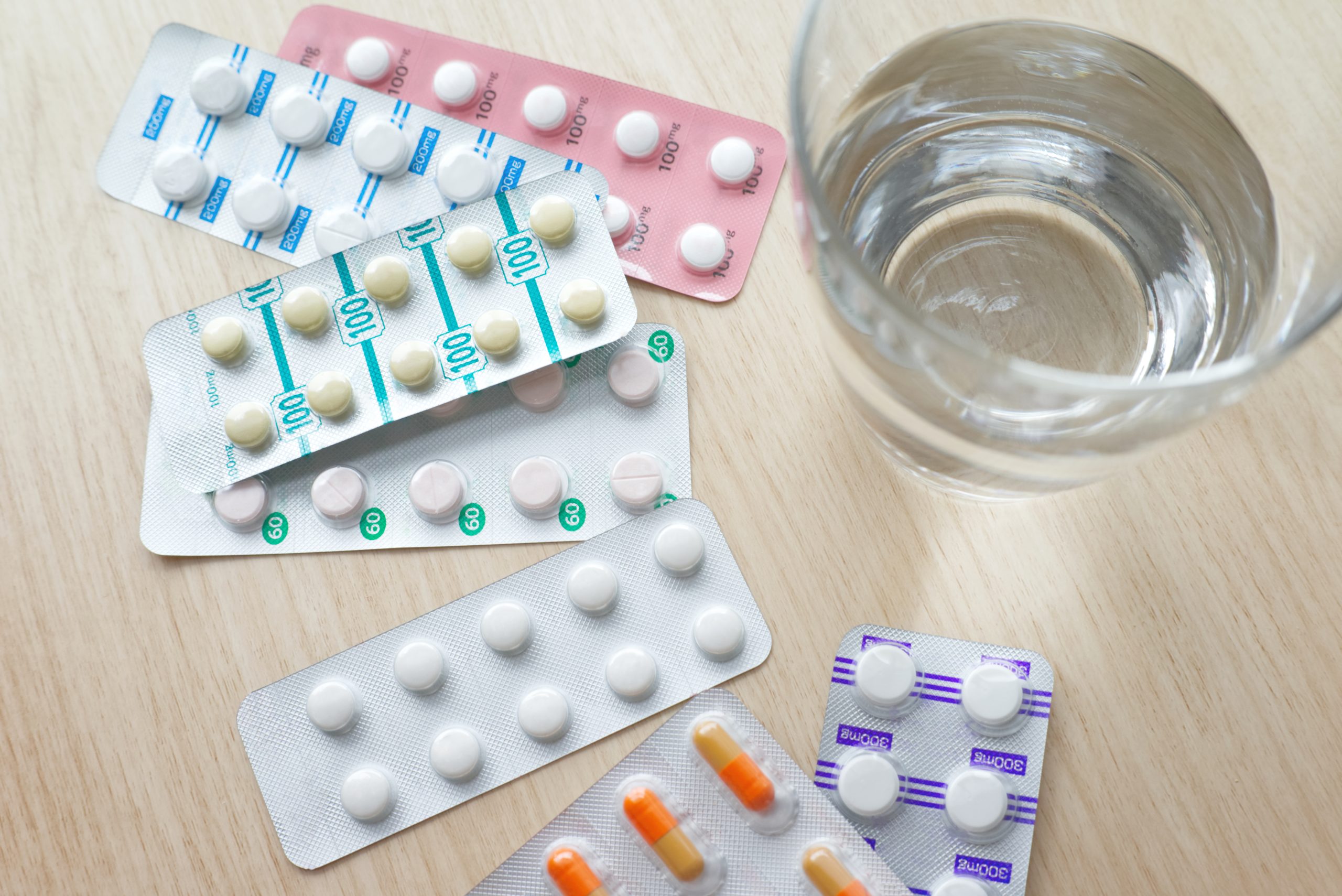
Do not identify a medicine by package colour alone
Similar-looking products can contain different ingredients, and products within one brand family may have different formulas. Read the active ingredients or ask a pharmacist.
How to ask for acetaminophen at a Japanese pharmacy
Pharmacies are commonly marked 薬局 (yakkyoku), while retail drugstores may use ドラッグストア. Product availability and professional support vary by location and time.

MedicTranslate’s medical-document translation service can assist with prescriptions, medication lists and treatment summaries where Japanese documentation is needed.
Children, pregnancy and people with medical conditions
Do not give an adult OTC acetaminophen product to a child by simply reducing the number of tablets. Japanese products have specific age restrictions, strengths and formulations.
Children
Ask a pharmacist or doctor for a product appropriate to the child’s exact age and weight. Bring details of medicines already given and the time of the last dose.
Pregnancy or breastfeeding
Consult a doctor, dentist or pharmacist before choosing an OTC product, particularly when symptoms persist or other medicines are used.
Liver or kidney conditions
Seek professional advice before use. The suitable product and directions depend on the individual’s health and treatment.
Regular alcohol use
Tell the pharmacist or doctor. Product warnings may prohibit alcohol around use and recommend consultation for higher-risk patients.
Can you bring your own Tylenol or Panadol into Japan?
Ordinary single-ingredient acetaminophen or paracetamol is generally treated as a common non-narcotic painkiller for personal use. However, the applicable rules depend on the product’s complete ingredients, classification, quantity and dosage form.
Combination products require extra care. A cold, sinus or “day and night” product may contain ingredients regulated differently in Japan even when acetaminophen itself is not the concern.
Before travelling, review MedicTranslate’s prohibited and restricted medication guide for Japan or submit the medicine name, active ingredients, quantity and travel date for a free human review.
Reliable English medicine information
Find OTC Medicines
An English database for participating Japanese OTC products, including ingredients, indications, directions and precautions.
Kusuri-no-Shiori
Patient-oriented information sheets for many prescription medicines used in Japan, with English information for selected products.
An English database entry can help you understand a medicine, but it does not replace advice from the prescribing doctor or dispensing pharmacist.
When should you see a doctor instead of self-treating?
Fever or pain can be caused by conditions requiring assessment rather than repeated OTC treatment. Seek medical advice when symptoms are severe, unusual, persistent or worsening.
- difficulty breathing, chest pain or collapse;
- confusion, severe drowsiness, weakness or seizure;
- a sudden severe headache, stiff neck or neurological symptoms;
- significant bleeding, severe abdominal pain or repeated vomiting;
- a serious allergic reaction, facial swelling or widespread blistering rash;
- possible overdose or accidental duplicate dosing; or
- fever in a very young child or medically vulnerable patient.
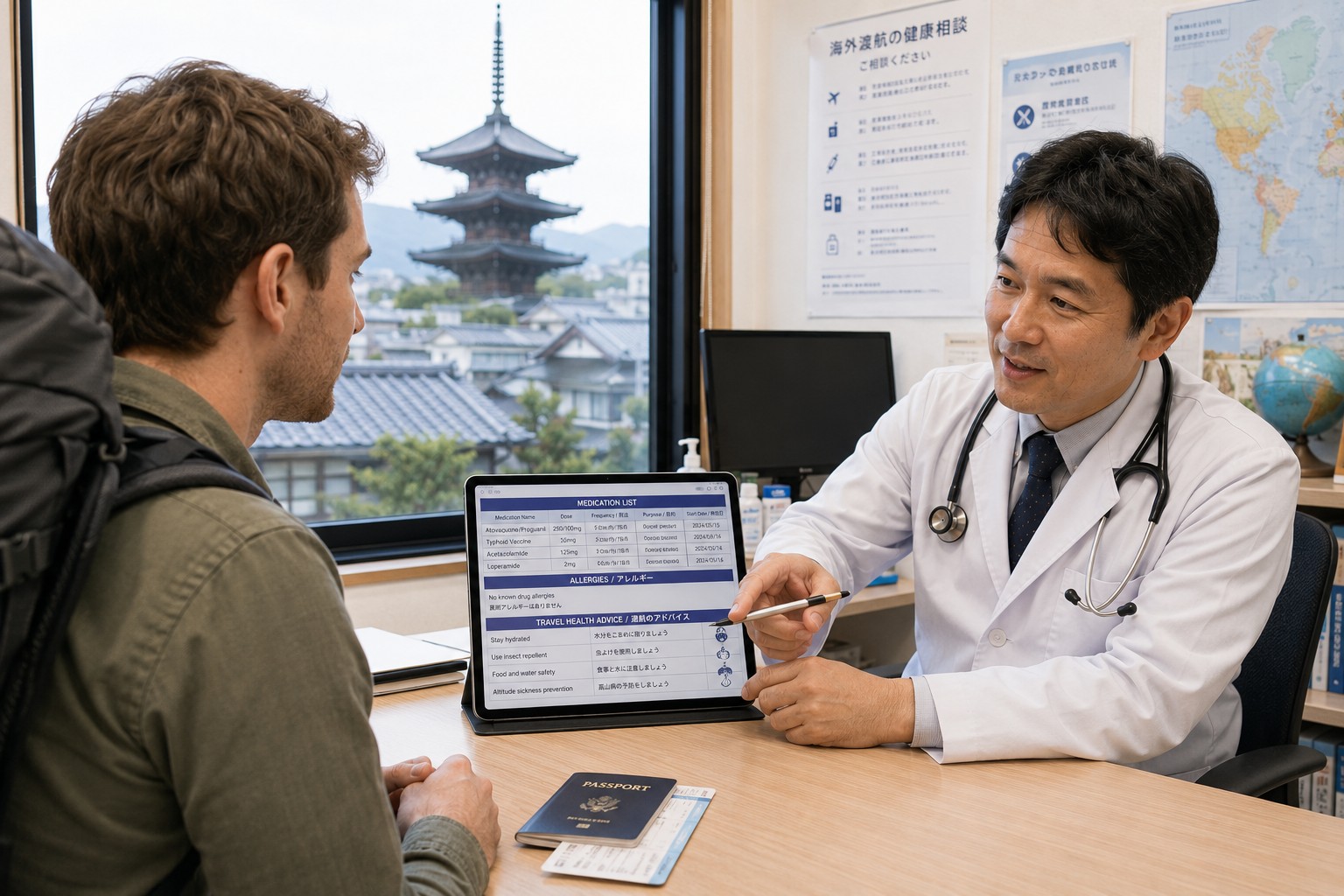
For suitable non-emergency concerns, MedicTranslate can help coordinate an enquiry through online telemedicine or assist through its foreign-friendly clinic information. The clinician determines whether remote or in-person care is appropriate.
Frequently asked questions
Are acetaminophen and paracetamol the same?
Can I buy Tylenol in Japan?
Is Calonal the same as Tylenol?
Can I buy Panadol in Japan?
What is the maximum daily dose?
Can I take Japanese cold medicine with Tylenol or Calonal?
Can children take Tylenol A or CALONAL-A?
Can MedicTranslate tell me which dose to take?
Need help with a medicine in Japan?
MedicTranslate can help translate prescriptions and medication records, screen travel medicines for likely Japanese import requirements and coordinate selected healthcare enquiries. Clinical advice and prescribing remain with licensed healthcare professionals.