
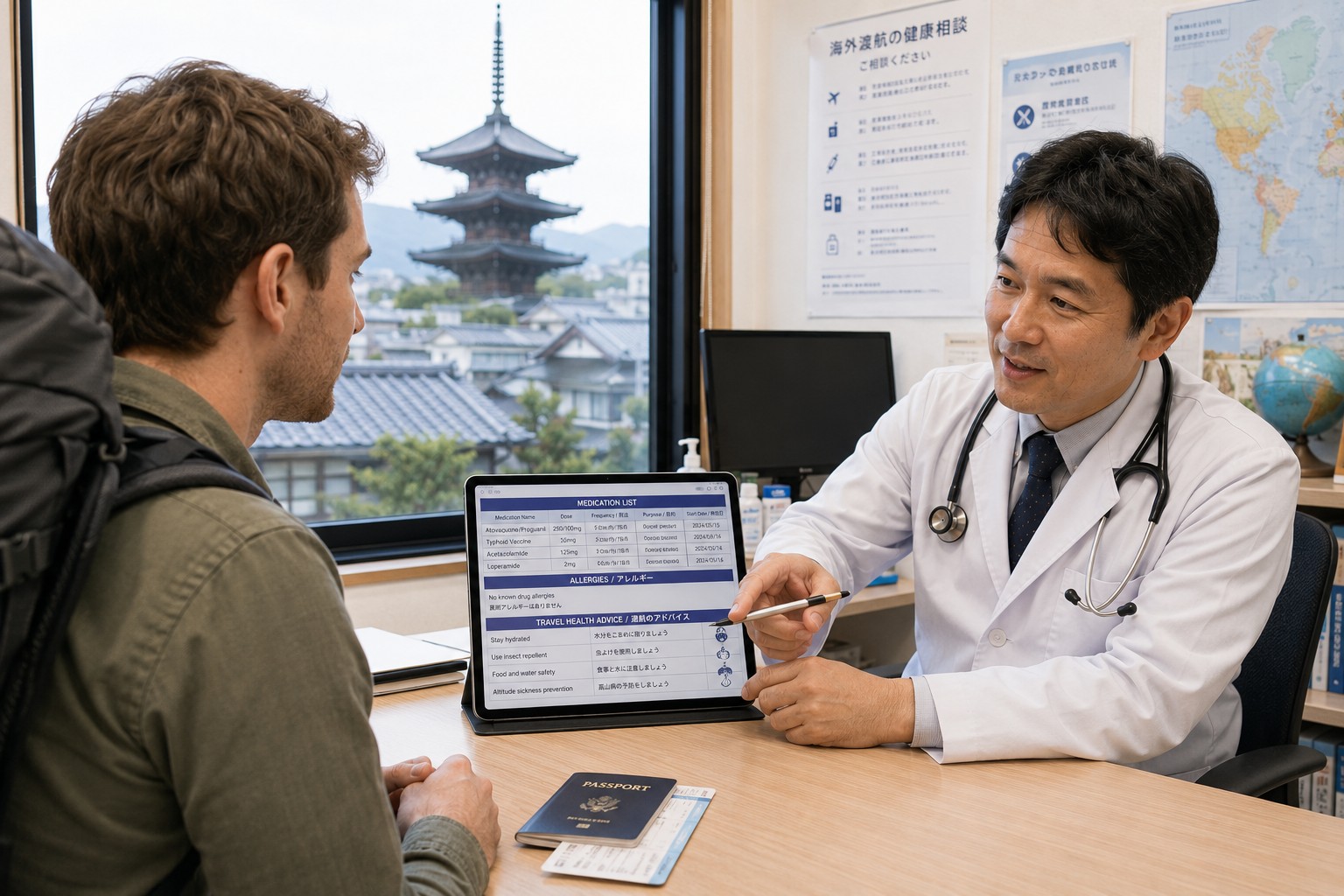
Did you know that Japan has moved away from traditional plastic health insurance cards in favor of the My Number Card system? Paper and plastic cards stopped being issued at the end of 2024, existing cards expired through 2025, and medical institutions accepted expired cards only until the end of March 2026. This shift is just one example of why navigating Japan’s healthcare system as a foreigner can feel like a moving target. It’s natural to feel anxious about translation gaps causing medical errors, or to feel frustrated by the strict referral letter system required for specialist care. You shouldn’t have to navigate these bureaucratic hurdles alone while trying to manage your health.
This guide provides the clinical precision and procedural clarity you need to master the Japanese medical system, from choosing the right facility to managing certified documentation. We will explore how to access specialist care, clarify the rules for bringing a one month supply of prescription medication into the country, and identify which specific documents must be translated into Japanese. By the end of this guide, you’ll understand how to bridge the gap between foreign medical histories and Japanese administrative requirements, allowing you to walk into any clinic or pharmacy with total confidence.
Key Takeaways
- Understand the 30% co-payment structure and how the mandatory My Number Card integration now dictates your access to the universal health insurance system.
- Learn to distinguish between local clinics and large hospitals so you can navigate specialist care efficiently.
- Discover why professional translation of your medical history is a critical safety requirement that free mobile apps cannot reliably handle in clinical settings.
- Master the essential documentation needed for pharmacies, including the “Okusuri Techo” and specific MHLW limits for importing prescription versus over-the-counter medications.
- Identify the procedural steps required to bridge the gap between foreign medical records and the Japanese pharmaceutical dispensing system.
Table of Contents
- Understanding the Japanese Healthcare System in 2026
- Choosing the Right Facility: Clinics vs. Hospitals
- Essential Documentation for International Patients
- Overcoming the Language Barrier in Clinical Settings
- Pharmacies and Medication Management
Understanding the Japanese Healthcare System in 2026
Japan operates on a universal healthcare system where the government regulates almost all aspects of care. For most residents, this means you’re responsible for a standard 30% co-payment at the time of service, while the insurance system covers the remaining 70%. This Japanese healthcare system overview highlights how this structure ensures that medical costs remain predictable and accessible. The 2026 landscape has shifted toward a digital-first approach. Traditional plastic insurance cards have been replaced by the integrated My Number Card, which now serves as your primary health ID. Accessing care now requires understanding that this digital integration is the standard route for verifying insurance at clinics and hospitals, with a Certificate of Eligibility available as a fallback for those without a My Number Card.
The Public Insurance Mandate
If you’re staying in Japan for more than three months, enrollment in a public insurance plan is a legal requirement. Most foreigners fall into two categories. Employees’ Health Insurance (EHI) is managed through your employer, while National Health Insurance (NHI) requires you to register at your local municipal office. According to the Ministry of Health, Labour and Welfare (MHLW), these plans ensure you aren’t burdened with 100% of medical costs during emergencies. Your local “Hokenjo” (Public Health Center) acts as a regional hub for health navigation, offering resources for everything from infectious disease control to maternal health support. These centers are particularly helpful for residents in the Kansai region looking for localized health initiatives.
The Role of the Primary Care Clinic
Unlike many Western systems where patients might head straight to a large hospital for specialized issues, Japan relies on a clinic-first model. Your journey should almost always begin at a local “Kurinikku”. These specialized facilities, such as internal medicine or dermatology clinics, function as the system’s gatekeepers. When you arrive, you’ll be asked to complete a “Monshinhyo”, which is a detailed medical questionnaire. Since these forms are almost exclusively in Japanese, having professional translation support ensures your medical history is recorded with clinical precision. This initial stop is vital. Large hospitals, or “Byoin”, often charge a significant “Sentei Ryoyo-fu” extra fee if you visit without a formal referral letter from a local practitioner. The key is identifying the right local clinic before an emergency arises.
Choosing the Right Facility: Clinics vs. Hospitals
One of the most confusing aspects of the system is deciding where to go when symptoms appear. The system is divided into two distinct tiers: local clinics and large general hospitals. Clinics are designed to handle routine care, minor illnesses, and initial consultations. Hospitals, or “Byoin”, are typically reserved for surgery, advanced diagnostic testing, and inpatient care. Understanding this division is essential because the Japanese system is highly “referral-heavy”. You don’t simply walk into a major hospital for a cold; doing so can lead to long wait times and significant financial penalties.
The “Syoujou-sho”, or referral letter, is the key to moving between these tiers. If you visit a large hospital without a referral from a local doctor, you’ll be charged a mandatory selective fee (the “Sentei Ryo”). Since the October 2024 reform, large hospitals, generally those with 200 or more beds, charge a minimum of 7,000 yen plus tax for this, and each hospital may set it higher. By starting at a clinic, you ensure that your medical history is properly documented and that you only move to a hospital when specialized equipment or intensive care is medically necessary. If you’re struggling to explain your symptoms to a local practitioner, professional coordination support can help bridge the communication gap during your initial visit.
When to Visit a Local Clinic
Local clinics are the backbone of the medical system. They often don’t require appointments, offer lower costs, and provide a more personalized level of care. You should identify the correct specialty before you go. For example, “Naika” handles internal medicine, while “Seikei Geka” is for orthopedics. The Ministry of Health, Labour and Welfare (MHLW) provides digital tools to help residents locate specialized facilities. Our resources for finding a doctor in Tokyo and Kansai can help you identify clinics that match your specific health needs. During the intake process, you’ll complete a detailed questionnaire where clinical precision is vital for an accurate assessment.
You can also browse our list of foreign-friendly clinics across Japan.
Accessing Large General Hospitals
Large general hospitals offer incredible diagnostic speed. In Japan, it’s often possible to receive an MRI or CT scan much faster than in many Western countries, sometimes even on the same day as your consultation. However, these facilities operate on a strict “first-come, first-served” basis for those without appointments. Registration windows often open as early as 8:00 AM and close by 11:00 AM for new patients. If you’re referred to a hospital, be prepared for a highly structured journey through various departments. While the quality of care is excellent, the administrative complexity can be overwhelming without a clear understanding of the hospital’s internal flow and documentation requirements.
Navigating these two tiers requires careful planning and accurate documentation. If you need assistance with medical document translation or coordinating with a specialist facility, contact MedicTranslate to ensure your transition from clinic to hospital is seamless.
Essential Documentation for International Patients
Getting through the system smoothly depends on your ability to provide the right paperwork at the right time. The medical system is built on a foundation of meticulous record-keeping. If your documentation is incomplete, you may face delays in treatment or be required to pay the full cost of care upfront. To ensure a smooth experience, you should prepare your documents in four distinct stages. First, you must present your identity and insurance eligibility. Second, you must provide a clear clinical history of your current medications and allergies. Third, you’ll need to submit any historical medical data, such as lab results or imaging. Finally, you must ensure these documents carry the necessary certifications to be recognized by Japanese clinical staff.
Digital Insurance and Identity in 2026
The 2026 landscape is defined by the integration of health insurance into the My Number Card system. Following a transition period that ended in March 2026, the traditional paper and plastic insurance cards are no longer the standard. You link your insurance profile to your digital ID through the Myna Portal app or at a dedicated kiosk in your local municipal office. If you’re a resident in the Kansai region, most city halls in Osaka and Kyoto provide English instructions for this process. If your digital ID hasn’t been issued yet or the card reader at a clinic fails, you can present a Certificate of Eligibility (shikaku kakunin-sho) issued by your insurer or the NHI office. Separately, from June 14, 2026 Japan began introducing the Tokutei Zairyu Card, which merges the residence card and the My Number Card into a single document for foreign residents; the rollout is phased and, at the time of writing, optional, so confirm your own situation with your ward office. Carrying a digital backup or a printed copy of your registration status is a wise precaution during this transitional period.
Translating Foreign Medical Records
Don’t assume that Japanese physicians will be able to interpret medical reports written in English. While many doctors study English terminology, the administrative and legal requirements of Japanese hospitals often mandate that all official records in a patient’s file be in Japanese. Untranslated reports are frequently set aside, which can lead to redundant testing and increased costs. It’s also dangerous to rely on “self-translation” or free online tools for critical diagnostic data. A single mistranslated dosage or symptom can lead to significant medical errors. To maintain clinical accuracy and safety, you should translate your medical records into Japanese using professional services that understand the specific terminology used by the Ministry of Health, Labour and Welfare (MHLW). This ensures that your attending physician has a precise understanding of your medical history from the moment you enter the exam room.
If you have complex medical history or ongoing prescriptions from your home country, contact MedicTranslate for professional coordination and certified document translation to ensure your records meet Japanese clinical standards.
Overcoming the Language Barrier in Clinical Settings
The assumption that you’ll easily find English speaking doctors in major Japanese cities is a common misconception that can lead to significant stress during a medical crisis. While many Japanese physicians have studied English medical literature, the ability to conduct a complex clinical consultation in a second language varies wildly across the country. The system is often most difficult to navigate during the diagnostic phase, where subtle descriptions of symptoms are the difference between an accurate assessment and a medical error. Relying on a doctor’s perceived fluency can lead to dangerous gaps in understanding regarding your treatment plan or medication side effects.
Professional facilitation is not just about translating words; it’s about ensuring that your interests are protected and that the clinical staff has a complete picture of your health. When you use professional services, you reduce the “foreigner surcharge” of wasted time and administrative confusion. It allows you to focus on recovery while a facilitator manages the logistical hurdles of the Japanese medical environment. If you’re concerned about communicating your needs effectively, you can contact MedicTranslate for coordination support to ensure your voice is heard in the exam room.
Professional Interpreters vs. Machine Translation
Free translation apps are helpful for basic navigation, but they’re notoriously unreliable in high-stakes medical environments. Apps often fail to capture the nuance between a “dull ache” and a “sharp, localized pain,” which are critical distinctions for any physician. Furthermore, the Japanese medical system places a heavy legal emphasis on informed consent, a requirement strictly monitored by the Ministry of Health, Labour and Welfare (MHLW). Without a precise understanding of the risks and benefits of a procedure, true informed consent is impossible. MedicTranslate addresses this by coordinating a professional medical interpreter who understands both the linguistic and cultural expectations of a Japanese hospital.
Preparing for the Consultation
Preparation is your best defense against communication breakdowns. Before your appointment, you should create a “Symptom Cheat Sheet” that lists your current issues, their duration, and any previous treatments in Japanese. This document serves as a reliable reference point for the nursing staff during intake. Additionally, if you’re arriving in Japan with a referral letter from a physician in your home country, having that document professionally translated into Japanese is vital. Most Japanese hospitals will not accept untranslated foreign medical records as official documentation, which can delay your access to specialist care. By arriving with certified translations, you demonstrate procedural integrity and ensure your medical history is integrated into your Japanese records immediately.
Don’t leave your health to chance with unreliable translation tools. Contact MedicTranslate today to coordinate a professional medical interpreter for your next appointment.

Pharmacies and Medication Management
In Japan, the medical system operates on a strict separation of prescribing and dispensing. This means you’ll rarely receive medication directly from your doctor. Instead, you must take your physical prescription to a “Yakkyoku” (pharmacy). It helps to understand that the pharmacy is an independent checkpoint for safety. Pharmacists in Japan play a proactive role in reviewing your history to prevent drug interactions. This is why you’ll be issued an “Okusuri Techo”, or medication notebook. This small book is a vital safety record where every dispensed medication is logged. You should present it at every medical encounter to ensure clinical precision across different clinics.
The Prescription Process in Japan
Prescriptions in Japan have a very short shelf life. According to the Ministry of Health, Labour and Welfare (MHLW), a standard prescription is typically valid for only four days; this includes the day it was issued, weekends, and holidays. If you wait too long, you’ll need to return to the clinic for a new one. It’s also important to distinguish between a “Chouzai” (dispensing) pharmacy and a general “Drugstore” like Matsumoto Kiyoshi. While drugstores sell over-the-counter items, only those with a “Chouzai” sign can fill your official prescriptions. During your visit, the pharmacist will offer a consultation to discuss generic versus brand-name options. Having a translated list of your allergies and current foreign medications is essential here to help the pharmacist make informed safety checks.
Importing Personal Medication Safely
Bringing your own medication into Japan requires strict adherence to MHLW regulations to avoid issues at the border. The rules are categorized by the type of medication and the quantity. You may bring up to a one-month supply of prescription medicine without special permission. For over-the-counter (OTC) medicine, the limit is a two-month supply. These two limits are distinct and must never be conflated. If you need to bring more than a one-month supply of prescription medicine, you must apply for a “Yunyu Kakunin-sho” (import certificate) before you arrive. Controlled medicines such as narcotics, psychotropics, and stimulants are handled through a separate advance-permission process via the Narcotics Control Department, and some stimulants are prohibited outright. For a detailed breakdown of these requirements, see our Airport Customs Form Guidance Japan: A 2026 Medical Declaration Guide.
Take Control of Your Health Journey in Japan
Mastering the tiered medical system and the mandatory transition to digital insurance IDs ensures you receive efficient care without unnecessary surcharges. Whether you’re presenting an Okusuri Techo at a local pharmacy or securing a referral letter for a specialist hospital, precise documentation is the bridge between you and the Japanese medical community. Navigating the system well requires a proactive approach to linguistic and administrative hurdles. You shouldn’t feel overwhelmed by the paperwork required to maintain your well-being.
MedicTranslate acts as your meticulous facilitator, offering certified medical translation with a 72-hour standard turnaround to keep your clinical records current. We provide specialized support for complex medication import documentation and expert coordination of medical interpreters to ensure your consultations are accurate and safe. You don’t have to manage these complexities alone. Access professional medical navigation and translation support for Japan today. We’re here to help you move through the system with absolute clarity and confidence.
Frequently Asked Questions
How do I find an English-speaking doctor in Japan?
You can locate English-speaking medical institutions through the Japan National Tourism Organization (JNTO) medical search tool or regional resources provided by the Ministry of Health, Labour and Welfare (MHLW). While many doctors in urban centers have basic English skills, fluency varies significantly across the country. For complex consultations, coordinating a professional interpreter is the most reliable way to ensure your symptoms are understood with clinical precision and accuracy.
What should I do in a medical emergency in Japan?
Dial 119 to request an ambulance if you are facing a medical emergency. Ambulance transport is generally free of charge in Japan, though you are responsible for the medical costs incurred at the hospital. Note that some hospitals in certain areas have introduced a fee (around 7,700 yen) for using emergency services when you are not admitted. Having your medical history and allergies already translated into Japanese can save vital time during emergency triage.
Can I use my foreign health insurance in Japan?
Most Japanese clinics and hospitals do not accept foreign private insurance directly at the payment counter. You will typically be required to pay 100% of the medical costs upfront and then seek reimbursement from your provider later. If you are a resident, you must use your Japanese Public Health Insurance Card or integrated My Number Card, which covers 70% of standard medical costs for most adults.
Why do I need a referral letter to go to a hospital?
The referral letter system is designed to prioritize local clinics for routine care and prevent large hospitals from becoming overcrowded. If you visit a general hospital without a “Syoujou-sho” from a local doctor, you will be charged a mandatory “Sentei Ryo” surcharge. This fee encourages a clinic-first approach for non-emergency medical issues.
Is it safe to use Google Translate for my doctor’s appointment?
Using machine translation apps is generally discouraged for high-stakes medical consultations due to the risk of significant mistranslation. Clinical terms and subtle symptom descriptions often lose their nuance in digital translation, which can lead to diagnostic errors. Professional coordination services provide the linguistic accuracy required for informed consent and precise treatment plans, ensuring your safety remains the top priority during every visit.
What is the “Okusuri Techo” and do I really need one?
The “Okusuri Techo” is a personal medication notebook that records every prescription dispensed to you at a Japanese pharmacy. You should always carry one because it allows pharmacists to check for dangerous drug interactions across different medical departments. Presenting this notebook at every pharmacy visit is a standard safety protocol that ensures your medication management is consistent, safe, and legally compliant with local health standards.
How much does a typical doctor’s visit cost for a foreigner?
A first-time visit to a local clinic usually costs between 2,000 and 5,000 yen if you are enrolled in the Japanese public insurance system. This amount represents your 30% co-payment for the consultation and basic administrative fees. If you do not have local insurance, you will be responsible for 100% of the cost, which can often exceed 15,000 yen depending on the diagnostic tests or imaging performed during the visit.
Can I bring my ADHD medication to Japan?
Japan has extremely strict regulations regarding ADHD medications; stimulants like Adderall are strictly prohibited and must not be brought in under any circumstances. For other permitted prescription medications, the Ministry of Health, Labour and Welfare (MHLW) allows you to bring up to a one-month supply. If you require more, you must apply for a Yunyu Kakunin-sho before arrival. Controlled medicines such as methylphenidate require separate permission from the Narcotics Control Department. Note that over-the-counter (OTC) medicines follow a different limit of up to a two-month supply without prior certification.
Navigating the Japanese medical system involves complex administrative and linguistic challenges. If you need help managing your documentation or require a professional medical interpreter, contact MedicTranslate for expert coordination and translation assistance.
Disclaimer
This article is for general information only and is not medical or legal advice. Rules in Japan can change, so please confirm current requirements with the Japanese Ministry of Health, Labour and Welfare (MHLW) or other official sources before acting. MedicTranslate provides medical translation and healthcare coordination services and does not provide medical treatment, diagnosis, or pharmaceutical supply. For help coordinating care or translating documents in Japan, contact MedicTranslate.

Article by
Ali Motahari
Ali is the founder and Representative Director of MedicTranslate Co., Ltd., a Kobe-based medical translation and healthcare coordination company that helps English-speaking foreign residents and visitors navigate the Japanese healthcare system, with a focus on the Kansai region. He has more than 20 years of experience in healthcare and healthcare IT, and is a doctoral researcher studying how healthcare organisations adopt clinical information systems. He writes about navigating medical care, translation, and the administrative and customs requirements that foreign patients face in Japan. MedicTranslate coordinates and translates; it does not provide medical treatment, diagnosis, or pharmaceutical supply.